Crafting Patriotism: The Ultimate Guide to Multilayer Laser Cut USA Flag Files for Independence Day
As Independence Day approaches, the desire to display national pride becomes a central theme for homes, businesses, and community spaces across the nation. While traditional fabric flags have their place, there is a growing movement toward creating durable, artistic, and intricate representations of the American flag using modern fabrication technology. At the forefront of this trend are Independence Day Laser Cut File USA Flag designs. These digital assets are not merely images; they are engineered blueprints specifically prepared for laser cutters, CNC router machines, and other precision cutting equipment.
For makers, small business owners, and hobbyists, understanding how to utilize these USA FLAG Digital multilayer layout files opens up a world of creative possibility. This guide will walk you through everything you need to know about these files, from their technical specifications to the practical steps required to turn a digital download into a stunning physical masterpiece.
What Are Multilayer Laser Cut Files?
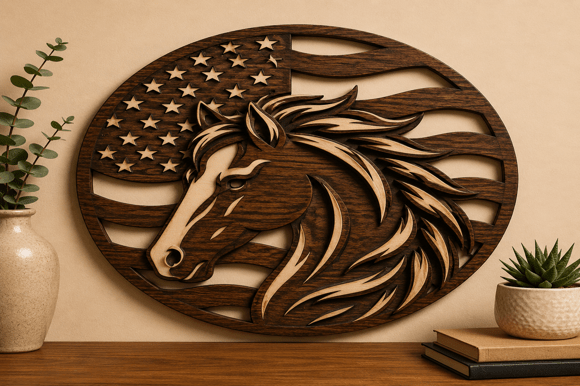
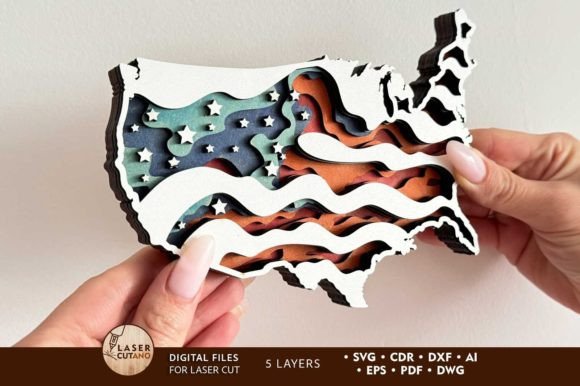
To the uninitiated, a laser cut file might seem like a standard picture file, but it is fundamentally different. A multilayer layout file is a vector-based design where every component of the image is separated into distinct layers. In the context of an American flag, this means the stars, the stripes, and the background are not printed on a single sheet. Instead, they are designed to be cut from separate pieces of material and assembled vertically.
This technique creates a 3D effect that adds depth and texture to the final product. When light hits the different levels of the layered flag, it creates shadows and highlights that a flat print simply cannot achieve. These files are meticulously prepared to ensure that when stacked, the alignment is perfect, resulting in a professional-grade finish.
The Significance of File Compatibility
One of the most critical aspects of purchasing a digital design is ensuring it works with your specific machinery. The beauty of high-quality USA Flag Laser Cut Templates lies in their versatility. A robust package will typically include a variety of file formats to accommodate different software and hardware ecosystems. Upon payment and download, you will receive a .zip folder containing files in:
- .AI (Adobe Illustrator): The industry standard for vector editing.
- .SVG (Scalable Vector Graphics): Ideal for web use and compatible with many hobbyist laser cutters like Glowforge.
- .DXF and .DWG: Essential formats for AutoCAD users and many CNC routing systems.
- .CDR (CorelDRAW): Widely used in the signage and engraving industry.
- .EPS and .PDF: Universal formats that preserve vector data for easy viewing and printing.
Note: Always remember to unzip the folder before attempting to open or import the files into your design software. Trying to access files directly from within the compressed archive can often lead to errors or corrupted data.
Design Specifications and Material Selection
Understanding the dimensions and material requirements is vital for a successful project. The standard USA FLAG multilayer design discussed here is optimized for a finished product size of 12 x 8 inches. This compact yet impactful size makes it perfect for desk ornaments, wall hangings, or gift items.
The design consists of 5 distinct layers. This number is chosen carefully to provide sufficient depth without making the assembly process overly cumbersome or the final product too heavy. To achieve the best results, the recommended material thickness ranges between 3 mm and 6 mm (approximately 1/8 inch to 1/4 inch).
Recommended Materials for Your Project
The versatility of these digital files allows you to experiment with a wide array of materials, each offering a unique aesthetic:
- Plywood and MDF: These are the most popular choices for a rustic, classic look. They sand easily and take paint or stain beautifully.
- Acrylic and Plexiglas: For a modern, sleek appearance, acrylic offers vibrant colors and transparency. Layering different colored acrylics can eliminate the need for painting entirely.
- Metal: For industrial-style decor, thin sheets of aluminum or steel can be cut, though this requires higher-powered laser settings.
- Cardboard and Paper: Excellent for prototyping your design or creating lightweight, temporary decorations for events.
It is important to note that while you can increase the size of the design to create larger statement pieces, you must exercise caution when reducing the size. The American flag contains intricate elements, particularly the stars and the narrow gaps between stripes. If the design is scaled down too much, these thin elements may become too fragile to cut cleanly or may break during the weeding and assembly process.
Step-by-Step Assembly: From Digital to Physical
Creating your Independence Day decoration is a rewarding process that blends technology with hands-on craftsmanship. Here is a logical workflow to ensure a high-quality result:
1. Preparation and Cutting
Import your chosen file format (e.g., .DXF or .SVG) into your machine's control software. Set your power and speed parameters according to the material you are using. Since there are 5 layers, ensure you have enough material stock. It is often wise to cut one test piece first to verify fit and tolerance.
2. Painting and Finishing
This is a crucial step that is often overlooked. The guide explicitly recommends that you paint before gluing. Trying to paint a fully assembled 3D object is difficult; brushes cannot reach the tight corners where layers meet, leading to unfinished spots. By painting each individual layer while they are flat, you ensure complete coverage and a professional finish. Let the paint dry completely before moving to the next step.
3. Gluing and Assembly
Once your layers are cut and painted, begin the assembly. Apply a strong wood glue or adhesive suitable for your chosen material to the back of each layer. Carefully align the layers, starting from the bottom up. Because the file is precision-engineered, the registration points should line up perfectly. Use clamps or heavy books to hold the layers together while the adhesive cures.
The Broader Impact: Creativity Meets Commerce
Beyond personal decoration, these Independence Day Laser Cut Files represent a significant opportunity for creators in the modern economy. The rise of "maker culture" and online marketplaces has allowed individuals to turn digital skills into tangible products.
For educators, these files serve as excellent tools for teaching geometry, history, and engineering principles. Students can learn about vector graphics, material properties, and the historical significance of the flag's design elements simultaneously. For small businesses, offering custom, hand-crafted wooden or acrylic flags provides a unique value proposition that mass-produced imports cannot match.
Furthermore, using these files promotes sustainability. By choosing durable materials like wood or metal and creating heirloom-quality items, we move away from the "disposable" culture associated with cheap plastic decorations. A well-made laser-cut flag can last for decades, becoming a family tradition passed down through generations.
Common Misunderstandings and Tips for Success
A common assumption among beginners is that the file will work perfectly regardless of the machine calibration. However, every laser cutter and CNC router has a specific "kerf" (the width of material removed by the cutting beam). You may need to adjust your design slightly to account for this if your machine removes more or less material than average.
Another misunderstanding involves the complexity of multilayer files. Some users fear that 5 layers will be impossible to align. In reality, the digital preparation ensures that alignment guides are built into the design. As long as you cut accurately and take your time during the gluing phase, the process is straightforward.
Finally, do not underestimate the power of finishing touches. Adding a clear coat sealant after assembly can protect your paint and enhance the grain of the wood or the shine of the acrylic. Adding a hanging mechanism or a sturdy base can also transform the piece from a craft project into a polished product.
Conclusion
Show your patriotism in style with an intricate USA Flag Laser Cut Template that bridges the gap between digital precision and artisanal craftsmanship. Whether you are a seasoned CNC operator or a beginner looking to try your hand at laser cutting for the first time, these downloadable files provide all the necessary components for success. With compatibility across major software platforms, clear instructions for material selection, and a design optimized for visual impact, creating a 12x8 inch multilayer American flag is an achievable and fulfilling project.
As you prepare for the 4th of July, consider skipping the store-bought decorations and instead invest in a digital file that allows you to create something truly unique. Unzip your files, select your materials, and let your creativity fly. Thank you for exploring the possibilities of modern making, and enjoy the process of bringing this symbol of freedom to life in a new and exciting dimension.