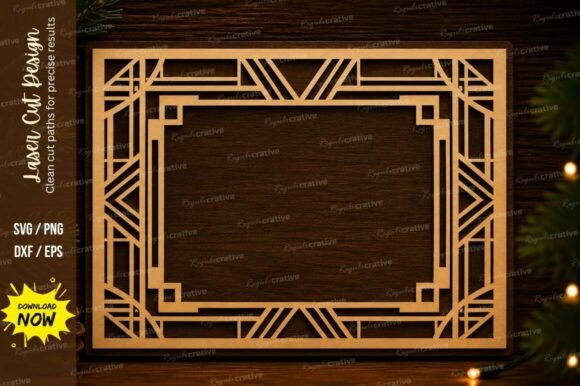
Elegant Art Deco Frame Laser Cut SVG Designs
The resurgence of geometric elegance has found a permanent home in the modern maker community, specifically through the precision of laser cutting. An Art Deco Frame Laser Cut Svg Design Art file is more than just a digital outline; it is a blueprint for transforming raw materials into sophisticated decor, functional organizers, and high-end retail displays. This style, characterized by bold linear geometry, symmetry, and streamlined forms, translates exceptionally well to vector-based manufacturing. When you access a premium quality set prepared for smooth cutting, you are not just downloading a shape; you are acquiring a versatile tool that bridges the gap between vintage aesthetics and contemporary fabrication technology.
What makes these designs particularly compelling for creators is their inherent structural integrity. Unlike organic or freehand sketches that can sometimes result in fragile bridges or uneven weight distribution when cut, Art Deco patterns rely on strong lines and balanced proportions. This ensures that whether you are cutting through 3mm birch plywood or 4mm acrylic, the final product maintains its rigidity without requiring excessive support material. The clean vector design included in professional packages ensures that your laser head moves efficiently, reducing burn marks and production time while maximizing the visual impact of the sharp angles and sweeping curves typical of the 1920s and 30s aesthetic.
Unlocking Creative Possibilities Across Materials
The true power of a multi-format file set lies in its adaptability. Because these packages typically include SVG, EPS, PNG, DXF, and PDF formats, they integrate seamlessly into almost any workflow. A hobbyist using a desktop diode laser might prefer the simplicity of an SVG in LightBurn, while an industrial operator running a CO2 machine on metal sheets may require the precise coordinate data found in a DXF file. This compatibility allows you to focus on the creative application rather than troubleshooting file conversions.
Consider the potential applications across different mediums. For woodworkers, these frames serve as exceptional bases for wall art. By layering two or three cuts of varying thicknesses, you can create a shadow-box effect that adds depth to the geometric patterns. The natural grain of walnut or maple contrasts beautifully with the strict mathematical precision of the Art Deco style. For those working with acrylic, the design offers a chance to play with light and transparency. Edge-lighting a clear or tinted acrylic frame cut from these files can turn a simple mirror or picture holder into a glowing centerpiece for a modern living room or a chic boutique display.
Paper crafters and card makers also find immense value here. The ability to resize without losing quality means a single design can be scaled down for intricate wedding invitations or scaled up for large-scale event backdrops. The crisp lines ensure that even delicate paper cuts remain intact, allowing for elegant layered greeting cards that feel luxurious to the touch. Metalworkers can utilize these vectors for plasma cutting or engraving, creating durable signage or decorative panels that withstand outdoor elements while retaining their stylish appeal.
Tailoring Designs for Specific Audiences and Goals
Different users can adapt these files to meet distinct market needs. Small business owners selling on platforms like Etsy can use these designs to create customizable gift items. By offering personalization options—such as adding a monogram within the central negative space of the frame—sellers can command higher price points. The consistent geometry of the Art Deco style provides a neutral yet upscale backdrop that complements various fonts and initials without clashing.
Interior designers and stagers can utilize these files for rapid prototyping of custom decor. Instead of waiting weeks for a specialized vendor, a designer can download the file, cut it locally, and have a unique prop ready for a photoshoot or client presentation within hours. Educators teaching design principles or vocational training in CNC operations can use these files as teaching tools. They offer a perfect case study in vector optimization, demonstrating how to manage node density, bridge gaps, and understand material kerf.
For event planners, the scalability of these designs is a game-changer. A cohesive theme can be established by using the same Art Deco motif across table numbers, menu holders, and photo booth props. The uniformity of the design language creates a polished, professional look that elevates the perceived value of the event. Furthermore, because the files are ready for laser cutting and engraving, you can easily add specific dates, names, or logos directly into the design file before sending it to the machine, ensuring every piece is unique to the occasion.
Best Practices for Precision and Consistency
To ensure your results are clear, effective, and organized, it is essential to approach the preparation phase with care. Even with a "ready-to-cut" file, checking your workspace settings is crucial. Always verify the scale of the imported vector against your material dimensions. While the design is easy to resize, maintaining the aspect ratio is vital to preserve the symmetry that defines the Art Deco style. Distorting the image even slightly can break the visual rhythm of the geometric patterns.
When working with multiple layers, keep your files organized by color or layer name within your design software. This practice simplifies the process of assigning different power and speed settings for cutting versus engraving. For instance, you might want to cut the outer frame at full power while lightly engraving a texture or pattern inside the border. A well-organized file structure prevents errors and ensures consistency across batch productions.
Material selection also plays a pivotal role in the final outcome. For wood, choose veneer-free plywood to avoid unsightly patches in the finished frame. For acrylic, ensure the protective film is applied correctly to prevent smoke staining during the cut. Testing a small section of the design on a scrap piece of your intended material is always recommended to fine-tune your laser's focus and power settings. This step saves material and guarantees that the intricate corners and sharp points of the Art Deco design are rendered perfectly.
- Versatility: Compatible with most laser CNC machines and design software due to diverse format inclusion.
- Scalability: Vector-based architecture allows for resizing from small jewelry components to large architectural features.
- Efficiency: Clean paths reduce machine runtime and material waste.
- Aesthetic Appeal: Timeless geometric style suits modern, vintage, and luxury markets alike.
- Accessibility: Instant download format enables immediate project initiation without shipping delays.
Ultimately, integrating an Art Deco Frame Laser Cut Svg Design Art package into your toolkit opens doors to a wide array of DIY projects and commercial ventures. It empowers you to produce high-quality, professional-grade items with relative ease. Whether you are crafting a one-of-a-kind anniversary gift, developing a new product line for your online store, or simply exploring the capabilities of your laser cutter, these designs provide a solid foundation. The combination of historical elegance and modern manufacturing precision creates a synergy that resonates with audiences looking for quality and style. By leveraging these premium files, you position yourself to create work that is not only visually striking but also structurally sound and commercially viable.