Creative 4th of July Multilayer Laser Cut Files
The anticipation of summer celebrations often sparks a surge of creativity, especially when the Fourth of July approaches. For makers and crafters, this holiday offers a unique canvas to express patriotism through tangible, handcrafted decor. At the heart of many modern woodworking and crafting projects are 4th of July Multilayer Laser Cut Files. These digital assets represent more than just lines on a screen; they are blueprints for dimension, texture, and shadow. Unlike traditional flat cutouts, multilayer designs utilize stacked materials to create a three-dimensional effect, turning a simple wooden sign into a piece of art with depth and visual interest.
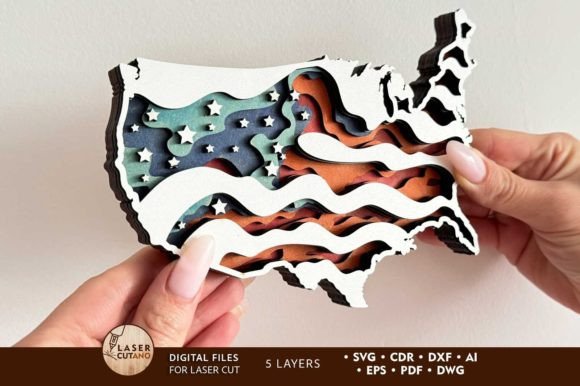
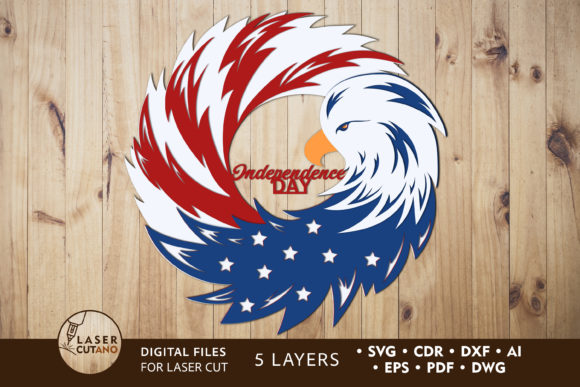
Understanding what these files entail is the first step toward creating something memorable. A multilayer layout consists of several distinct vector paths, each corresponding to a specific layer of material. In the context of a patriotic banner or wall hanging, one layer might form the base, while subsequent layers add stars, stripes, text, or decorative borders. When assembled, typically using adhesive between sheets of plywood, MDF, or acrylic, these layers build up to create a finished product that catches the light and draws the eye. The specific design discussed here results in a substantial 17 x 17 inch finished piece, composed of five distinct layers, offering ample room for creative customization.
Why Different Creators Value Multilayer Designs
The appeal of these digital files varies significantly depending on who is holding the mouse or operating the machine. What serves as a quick revenue stream for one person might be a valuable learning tool for another. Recognizing these differing priorities helps in selecting the right approach for your specific situation.
For beginners just starting their journey with laser cutters like the Glowforge, the primary concern is often ease of use and reliability. The prospect of designing a complex, interlocking 3D structure from scratch can be daunting. This is where pre-prepared multilayer files shine. They offer a "grab and go" solution where the technical heavy lifting regarding spacing, tolerance, and alignment has already been handled by the designer. A novice can download the package, which includes formats like .SVG, .DXF, and .PDF, and send it straight to their machine without needing advanced editing skills. The immediate success of producing a professional-looking item builds confidence and encourages further exploration of the craft.
Conversely, experienced professionals and small business owners often evaluate these files through the lens of efficiency and commercial viability. Time is money, and during peak seasons like early summer, the ability to rapidly deploy new products is crucial. A well-structured multilayer file allows a shop owner to batch-produce decorations quickly. Because the design is optimized for standard material thicknesses—typically ranging from 3mm to 6mm (approximately 1/8 inch to 1/4 inch)—there is less trial and error with material settings. These entrepreneurs might focus on the versatility of the file, perhaps altering the color scheme of the painted layers to match specific customer requests or creating limited edition runs for local craft shows.
Practical Applications Across Various Skill Levels
The utility of a 4th of July multilayer layout extends beyond simple decoration. How you engage with the file depends largely on your end goal.
- Hobbyists and Home Decor Enthusiasts: For those decorating their own spaces, the focus is on aesthetics and personalization. The five-layer structure provides an excellent opportunity to experiment with finishing techniques. Since the instructions recommend painting each layer before gluing, a hobbyist can use this project to practice distressing wood, applying metallic accents to stars, or using high-contrast colors to make the layers pop. The result is a custom home decor item that feels far more expensive and intricate than the effort required to produce it.
- Educators and Workshop Leaders: In a classroom or community workshop setting, these files serve as fantastic teaching aids. They demonstrate principles of geometry, spatial reasoning, and assembly. An educator can use the separate layers to explain how 2D shapes combine to create 3D forms. Furthermore, because the files come in multiple formats (.AI, .CDR, .EPS), they can be used across different types of cutting machines available in school makerspaces, from desktop lasers to CNC routers.
- Freelancers and Designers: Creative freelancers might use these base files as a starting point for broader design systems. While the core shape remains consistent, a designer could modify the typography within the layers or adapt the surrounding elements to create a cohesive suite of products, such as matching coasters, ornaments, or gift tags, thereby increasing the average order value for their clients.
Material Considerations and Assembly Strategies
One of the most critical aspects of working with multilayer files is material selection. The recommended materials for this specific 17x17 inch design include plywood, MDF, acrylic, plexiglass, metal, cardboard, and paper. However, the choice of material dramatically alters the final look and the assembly process.
When using wood products like plywood or MDF, the natural grain adds warmth and rustic charm, fitting perfectly with farmhouse-style decor. It is vital to adhere to the recommended thickness of 3mm to 6mm. If the material is too thin, the layers may not provide enough depth, making the design look flat. If it is too thick, the internal corners might become difficult to clean, and the overall weight of the 17-inch square could become unmanageable for hanging. Remember that when reducing the size of the design for smaller projects, one must carefully consider the thin elements; scaling down too much can cause delicate star points or narrow text strokes to break away during cutting or handling.
For those opting for acrylic or plexiglass, the aesthetic shifts to modern and sleek. Transparent or translucent layers can create stunning light-play effects, especially if the sign is backlit. However, working with acrylic requires precise calibration of the laser to avoid melting edges. The assembly process also differs; while wood is often glued with standard wood adhesives, acrylics may require solvent cements for a seamless bond.
The assembly workflow is straightforward but requires patience. The general rule is to paint before gluing. Trying to paint a fully assembled multilayer piece often results in missed spots in the crevices between layers. By painting each of the five layers individually while they are flat, you ensure complete coverage. Once dry, the layers are stacked and adhered. This method not only looks cleaner but also prevents paint from gumming up the joints, ensuring a tight, secure fit.
Evaluating Fit for Your Projects
Before downloading and cutting, it is wise to reflect on whether this specific type of file aligns with your current resources and objectives. If your priority is speed, the pre-made nature of these SVG files is ideal, eliminating days of design time. If your priority is learning, the multilayer aspect offers a deeper dive into assembly and finishing than a single-layer cut would. For those focused on cost, utilizing scrap materials for inner layers while saving premium wood for the face layer can maximize profit margins or minimize personal expense.
Furthermore, consider the longevity of the project. A 17x17 inch sign is a substantial piece of decor. Unlike small keychains or earrings that might be impulse buys, a large wall banner is a statement piece. This makes it suitable for sellers looking to establish a brand presence at craft fairs or for homeowners wanting a durable decoration that can be stored and reused annually. The digital nature of the product means that once purchased and unzipped, the files (.AI, .SVG, .DXF, .DWG, .CDR, .EPS, .PDF) are yours to keep and use repeatedly, offering long-term value that physical patterns cannot match.
Ultimately, 4th of July Multilayer Laser Cut Files bridge the gap between digital convenience and tactile craftsmanship. Whether you are a beginner looking for a successful first project, a business owner scaling up production, or an educator teaching design principles, these files provide a flexible foundation. By understanding the nuances of material thickness, assembly order, and finishing techniques, you can transform a simple download into a cherished piece of holiday tradition.