Elevating Digital Craftsmanship: The Strategic Value of 3D Layered Hydrangea Designs
In the evolving landscape of digital fabrication and creative entrepreneurship, the distinction between a standard graphic and a tangible work of art often lies in depth. For professionals, creators, and marketers seeking to convey genuine emotion through physical media, the 3D Layered Hydrangea has emerged as a pivotal design element. This is not merely a trend in aesthetics; it represents a shift in how we approach materiality, gratitude, and the communication of care in a increasingly digital world. By leveraging high-resolution vector assets designed specifically for laser cutting and layered paper crafting, modern creators are able to bridge the gap between virtual files and heartfelt physical experiences.
The Anatomy of Depth: Understanding 3D Layered Hydrangea
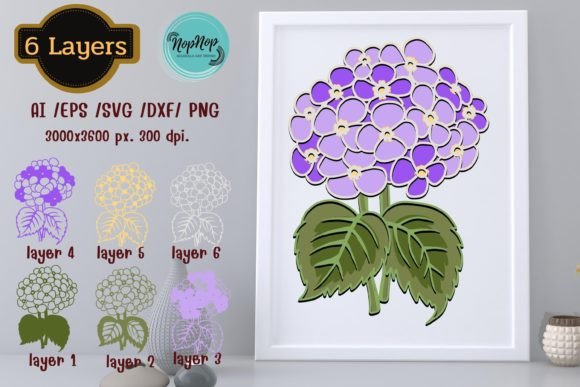
To understand the impact of a 3D Layered Hydrangea, one must first appreciate the complexity of the flower itself. The hydrangea is historically associated with abundance, gratitude, and heartfelt emotion. However, in traditional two-dimensional printing, these nuances can sometimes be lost. The concept of layering transforms the flat image into a sculptural object. A 3D Layered Hydrangea design utilizes multiple distinct planes—often six or more—that are cut from materials of varying thicknesses and colors. When stacked, these layers create shadows, highlights, and a tactile topography that mimics the organic volume of the living plant.
This technique relies heavily on precision. The source files for such projects must be impeccable. Industry-standard deliverables now include comprehensive packages containing AI (Adobe Illustrator), EPS (compatible with Make the Cut and Corel Draw), SVG (for Cricut Design Space and Silhouette Designer Edition), and DXF (optimized for Glowforge and ScanNCut). The inclusion of these diverse formats ensures that whether a freelancer is using a desktop die-cutter or an industrial laser engraver, the integrity of the 3D Layered Hydrangea remains intact. The artboard specifications, typically set at 3000 × 3600 pixels or 10×12 inches at 300 DPI, provide the necessary resolution to ensure clean cuts without jagged edges, which is critical when working with delicate petal structures.
Market Trends: The Return to Tactile Gratitude
Why is there a surge in attention surrounding layered paper florals? The answer lies in a broader consumer shift toward authenticity and "slow craft." In an era dominated by instant digital communication, a physical object that requires time, assembly, and material selection carries significantly more weight. When a business sends a thank-you note or a marketer creates a promotional piece featuring a 3D Layered Hydrangea, they are signaling honesty and effort. The recipient understands that this was not a mass-produced sticker but a curated experience.
This aligns with the growing demand for personalized gifting and bespoke event decor. Wedding planners, event coordinators, and boutique stationers are increasingly integrating layered elements into invitations, table settings, and keepsakes. The hydrangea, with its lush clusters of blooms, serves as a perfect candidate for this medium because its natural form is inherently voluminous. By utilizing a digital download that includes 6 layered designs in 1 zip file, creators can scale their production while maintaining a handcrafted aesthetic. This scalability is essential for entrepreneurs who need to balance artistic integrity with business efficiency.
Workflow Integration for Modern Creators
For the professional creator, the workflow surrounding these assets is just as important as the final output. The modern digital cut file ecosystem is designed to streamline production. Upon purchasing a digital download, the user receives a versatile toolkit. It is crucial to note that while sample images often display vibrant colors to illustrate the potential of the design, the actual PNG files included for cutting are typically black. This is a deliberate technical choice; laser cutters and die-cutting machines read contrast to determine cut paths. A solid black shape on a white background provides the clearest instruction for the machine.
However, the package also includes colored PNG files for printing, offering flexibility for those who wish to print before cutting or use the graphics for digital mockups. This dual-purpose approach caters to different stages of the creative process. For instance, a marketer might use the colored PNGs to visualize a campaign layout, while the production team uses the black vector files to execute the final laser cutting. The compatibility with software like Inkscape, Corel Draw, and Adobe Illustrator ensures that these files fit seamlessly into existing professional pipelines, regardless of the preferred operating system or budget.
Materiality and Customization: The Role of Paper Choice
3D Layered Hydrangea is the agency it gives the creator over the final look. Unlike pre-printed goods, a digital cut file invites experimentation. The instruction to "choose paper of different colors when cutting" is not just a suggestion; it is an invitation to innovate. By selecting cardstock in varying shades of blue, pink, white, or even metallic finishes, a single design file can yield infinite variations.
This customization capability is vital for branding. A corporate client might request a monochromatic scheme to match their brand guidelines, while a wedding client might desire a soft ombre effect. The layered nature of the design allows light to pass through the gaps between petals, creating dynamic shadows that change depending on the lighting conditions of the room. This interactivity adds a layer of sophistication that flat printing cannot achieve. Furthermore, the ability to mix textures—such as combining matte cardstock with shimmer paper—adds another dimension of luxury to the final product.
Technical Considerations and Best Practices
While the potential is vast, successful execution requires attention to technical details. The resolution of 300 DPI ensures that when the design is scaled, the lines remain crisp. However, users must remember that the background pictured in listing examples is rarely included in the download. This is standard practice in the digital asset industry to keep file sizes manageable and to allow for maximum flexibility. The focus is strictly on the cuttable elements.
When preparing these files for laser cutting, particularly on machines like the Glowforge, understanding the difference between score, cut, and engrave settings is paramount. The DXF and SVG formats provided are optimized for these distinctions. For those new to the technology, starting with the provided color PNG samples can help visualize the layer order before committing expensive materials to the cutter. Additionally, the inclusion of ESP and AI files allows advanced users to modify anchor points or adjust spacing if specific material thicknesses require slight alterations to the stacking offset.
The Business of Digital Assets
For freelancers and agencies, offering products based on 3D Layered Hydrangea designs opens up new revenue streams. These digital downloads are not just for personal hobbyists; they are commercial tools. A stationery shop can sell DIY kits where the customer receives the pre-cut layers and assembles them at home. A laser cutting service can offer bespoke wall art or greeting cards. The value proposition is clear: high-quality, ready-to-use assets that reduce design time while increasing perceived value.
The honesty inherent in this medium resonates with consumers. There is no attempt to hide the construction; the layers are visible, celebrating the process of creation. This transparency builds trust. In a market saturated with AI-generated imagery that can feel sterile, a physically layered paper flower stands out as a testament to human curation and mechanical precision working in harmony.
Conclusion: Crafting the Future of Connection
The 3D Layered Hydrangea is more than a decorative motif; it is a vehicle for connection. It embodies the delicate balance between technology and tradition, allowing creators to produce objects that feel alive. As the industry continues to embrace digital fabrication, the demand for high-quality, versatile, and emotionally resonant designs will only grow. By utilizing comprehensive file packages that include AI, SVG, DXF, and PNG formats, professionals can ensure they are equipped to meet these changing needs.
Whether used for a heartfelt gesture of gratitude, a sophisticated marketing campaign, or a stunning piece of home decor, the layered hydrangea delivers on the promise of care. It reminds us that in a world of rapid consumption, taking the time to layer, assemble, and present something with depth is the ultimate expression of honesty and appreciation. As you integrate these tools into your workflow, remember that the true power lies not just in the file itself, but in the intentionality with which you choose your materials and bring the design to life.